


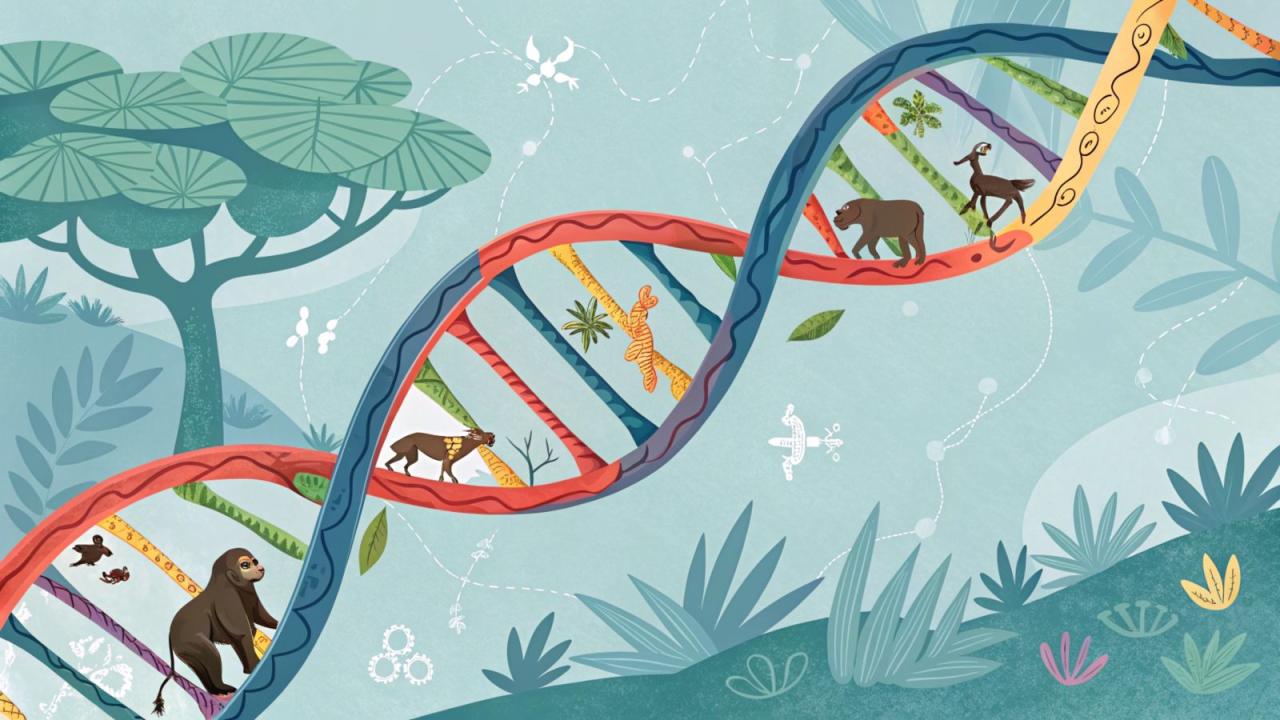
Mapping The Code of Life: How Genomics Have Become A Tool For Conservation
Quick Summary
- Genomic data provide an unparalleled tool for conservationists and ecologists to asses genetic diversity to identify population bottlenecks and inbreeding.
- Strategic utilization of this data is extensive, being able to aid in captive breeding programs, arm reintroductions with genetic insight, detect populations at risk with harmful mutations, and inbreeding or bottlenecks.
- In recent years the field of genomics has exploded and its ripple effects are starting to reach the world of conservation, and these genetic rescue projects are showing just how valuable genetic data can be.
The burgeoning field of Genomics has seen an explosion of growth in recent years yet its roots trace back to the 1950's. Though rudimentary genetic study has existed long before the discovery of the the structure of DNA in 1953, this marks the first time the code of life was able to be read and put to use. Since then, technology to read, understand, and utilize this genetic code has seen breakthrough after breakthrough. Sequencing tools like Sanger Sequencing emerging in 1977 gave scientists the ability to examine genomic code at greater scales and allowed for the first genomes to be constructed. The completion of the Human Genome project in 2003 as well as the emergence of fast, affordable, and high quality sequencing tools like Next Generation Sequencing and Long-Read platforms have demonstrated the power and potential of genomic mapping. In recent decades this has led to massive global efforts to compile and analyze the genomes of species across our planet.
These advances have since reshaped conservation biology leading to global efforts to sequence the DNA of endangered and threatened species all over the world. Genomic data provide an unparalleled tool for conservationists and ecologists to asses genetic diversity to identify population bottlenecks and inbreeding, as well as ways to map alleles to understand what influences a species ability to tolerate environmental stress or their susceptibility to disease. These insights allow scientists a greater understanding of the patterns of adaptation and evolution which provides a powerful new foundation to make informed conservation decisions for the management of endangered species.
Before genomic data can be put to use in conservation settings a genome needs to be constructed which begins with DNA sequencing. A genome acts like a map of a species' code, without a map one is left wandering without direction. Contemporary DNA sequencing allows for millions of base pairs to be read and extracted from DNA, these individual base pairs act like a map's coordinates. At first these pieces seem random and insignificant on their own but when strung together to make a larger map they become vital tools to identify specific locations. This process of assembly and annotation allows for the base pairs of a DNA sample to be stitched together so that specific landmarks within can be identified. In the end producing a reference genome that can be used like a map to discover the processes that make up the code of a species. Creating the genomic baseline that scientists use to reference, compare and track genetic changes in species or population over time.
Genomic data is a powerful resource that has a broad range of applications that can be used to improve, reinforce, and supplement conservation management. Strategic utilization of this data is extensive, being able to aid in captive breeding programs, arm reintroductions with genetic insight, detect populations at risk with harmful mutations, inbreeding or bottlenecks, and so much more. During a time of global climate disturbance and habitat loss, species all over the world are facing new stressors and challenges that has brought global biodiversity levels to mass extinction levels of crisis worldwide. Around the world universities, organizations, and non-profits are working to construct and catalog reference genomes of species from across the biosphere. The Earth BioGenome Project and the Revive & Restore Wild Genomes program are two examples that aim to fund and organize projects to catalog and study how genomic data can be used to improve conservation management in the face of the present biodiversity crisis. Paving the way for a new branch of conservation science, that of genetic rescue.
Genetic rescue aims to use genomic insight to guide conservation decision making and has seen recent successes in the fight to preserve global biodiversity. Pycnopodia helianthoides, the sunflower sea star has seen large scale ecological collapse along the west coast of the United States due to sea star wasting disease (SSWD). The Sunflower Sea Star Laboratory led an ongoing project to create a reference genome of the species. This data allowed the laboratory to support recovery efforts by facilitating a captive breeding program that aimed to identify key individuals with genes that are more resistant to SSWD. Through this program scientists were able to breed a new generation of juveniles that were more resistant to disease and in 2025 they were able to be successfully released in California.
Mustela nigripes, the black footed ferret is another historic case of genetic rescue. Declared extinct twice, the species was reduced to a tiny remnant population in Wyoming that was ravaged by inbreeding due to the population being descendant from just seven founders. To aid recovery efforts scientists sequenced and analyzed the genomes of surviving individuals and cryopreserved DNA samples. Allowing scientists to identify key vulnerabilities in the populations genetic diversity. Using this information scientists were able to use the frozen DNA to clone ferrets with previously lost genetic diversity and reintroduced them back into the population's breeding pool. This intervention has since supplemented a captive breeding program that has allowed the population to grow to roughly 300 healthy individuals.
In both cases a genomic map allowed scientists to use the coordinates of life to reveal susceptibilities and vulnerabilities in populations otherwise invisible to traditional conservation strategies. Together, these examples demonstrate range and versatility of genomic tools, from reintroducing lost diversity, discovering disease resistant genes, and even cloning, all to strengthen endangered populations. Its evident that genomics' role in conservation is just beginning. In recent years the field of genomics has exploded and its ripple effects are starting to reach the world of conservation, and these genetic rescue projects are showing just how valuable genetic data can be and its implications to make real world impacts for conservation management. And as genetic databases continue to expand as well as tools become faster, more accessible, and cost effective. Genomics will not only be a tool to guide recovery efforts but also provide conservation scientists a tool to predict and prevent ecological collapse in the first place.
Sources:
https://reviverestore.org/genomic-tools-power-breakthrough-progress-in-sunflower-sea-star-recovery/
https://pubmed.ncbi.nlm.nih.gov/37738158/
https://www.sunflowerstarlab.org/news/sunflower-stars-restoration-research-california
https://reviverestore.org/projects/black-footed-ferret/
https://www.fws.gov/story/cloned-black-footed-ferret-kits-offer-hope-species
https://reviverestore.org/bff-about-the-species/
https://www.nature.com/articles/s41576-023-00671-0
https://reviverestore.org/projects/wild-genomes-about-the-program/