Blog

Temporal Genomics: Reading Extinction In the Genome

The global biosphere has seen rapid and dramatic shifts due to anthropogenetic climate change and habitat loss. In our contemporary world biodiversity has been plummeting at rapid rates, with the IUCN classifying 48,600 species across the planet as threatened or endangered accounting for roughly 28% of all assessed species. As of 2024 the World Wildlife Fund has measured an astonishing 73% decline in the average size of wildlife populations across the planet in the last 50 years.

How to design your own independent research project at UC Davis

As college students at a top tier research university, getting into labs and research should be easy, right? However, most students have a challenging time finding lab positions, internships, or programs that are either suitable for them, or that aren’t extremely selective. If you’re stuck in this position, you are not alone! Independent research projects offer an accessible alternative from research programs and on-campus labs for students, allowing students to explore questions that genuinely interest them while still gaining valuable academic and professional skills.

Organs in a Dish: The Future of Personalized Medicine

The advancement of organoid technology has revolutionized biomedical research by creating realistic 3D models that replicate the function and structure of tissues, providing a bridge between cell cultures and in vivo models. Organoids, often called mini-organs, are cells grown in vitro to form mini-clusters that eventually differentiate into functional tissue structures. This technology involves growing three-dimensional tissue structures in controlled laboratory conditions, which has extensive benefits in translational applications, especially in regenerative medicine.

Mapping The Code of Life: How Genomics Have Become A Tool For Conservation

The burgeoning field of Genomics has seen an explosion of growth in recent years yet its roots trace back to the 1950's. Though rudimentary genetic study has existed long before the discovery of the the structure of DNA in 1953, this marks the first time the code of life was able to be read and put to use. Since then, technology to read, understand, and utilize this genetic code has seen breakthrough after breakthrough.

Lab Grown Meat in the Food Industry

With increasing consumption of meat and growing environmental concerns, scientists are looking for new ways to fulfill the demands. Lab grown meat, also known as cultured or cell-based meat, is meat developed from animal cell culture rather than through raising and slaughtering living animals. Animal cells are cultivated in vitro, meaning cells are grown outside of a living organism, in a carefully controlled environment. Instead of raising animals for years, researchers only grow the edible fat and muscle tissue.

How AlphaFold Revolutionized Protein Structure Prediction

Proteins are vital to all processes in life. They are a chain of smaller units: amino acids. The sequence of these amino acids is encoded in DNA, but a protein’s function is heavily dependent on its 3D structure. This amino acid chain is able to fold upon itself with many complex twists, turns and tangles. Even small changes to this structure can dramatically alter its behaviour. In fact, many human diseases are caused by detrimental changes to protein folding. 

Regenerative Medicine - The Future

Have you ever wondered how the human body heals itself, or what exact mechanisms occur in the body to trigger this regeneration after injury? For centuries, humans have relied on countless treatments that target symptoms rather than the root cause of disease, but what if we could activate the body’s own healing powers to actually repair or regrow damaged tissues? That goal is at the heart of a rapidly growing field known as regenerative medicine, a field that seeks not just to manage illnesses, but ultimately restore normal function.

How CRISPR and Biotechnology Can Revolutionize Conservation

Contemporary conservation management faces a variety of challenges. One of those challenges being the ability to identify species accurately when visual identification is unreliable. Conservation teams generally have two approaches to biomonitoring, visual identification and genetic identification. The former provides a real-time and inexpensive way to classify species, but runs the risk of human error when working with messy ecosystems in the field.

CRISPR and the Future of Biotech

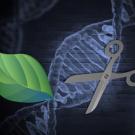
For a long time, biotechnology has relied on tools that allow scientists to study and manipulate DNA. However, few discoveries have been as innovative as CRISPR. CRISPR stands for Clustered Regularly Interspaced Short Palindromic Repeats, and is a gene-editing technology that lets scientists make targeted changes to DNA. While the name may sound complex, the actual idea is simple. CRISPR acts like a pair of molecular scissors to cut DNA at a specific location so it can be edited.